
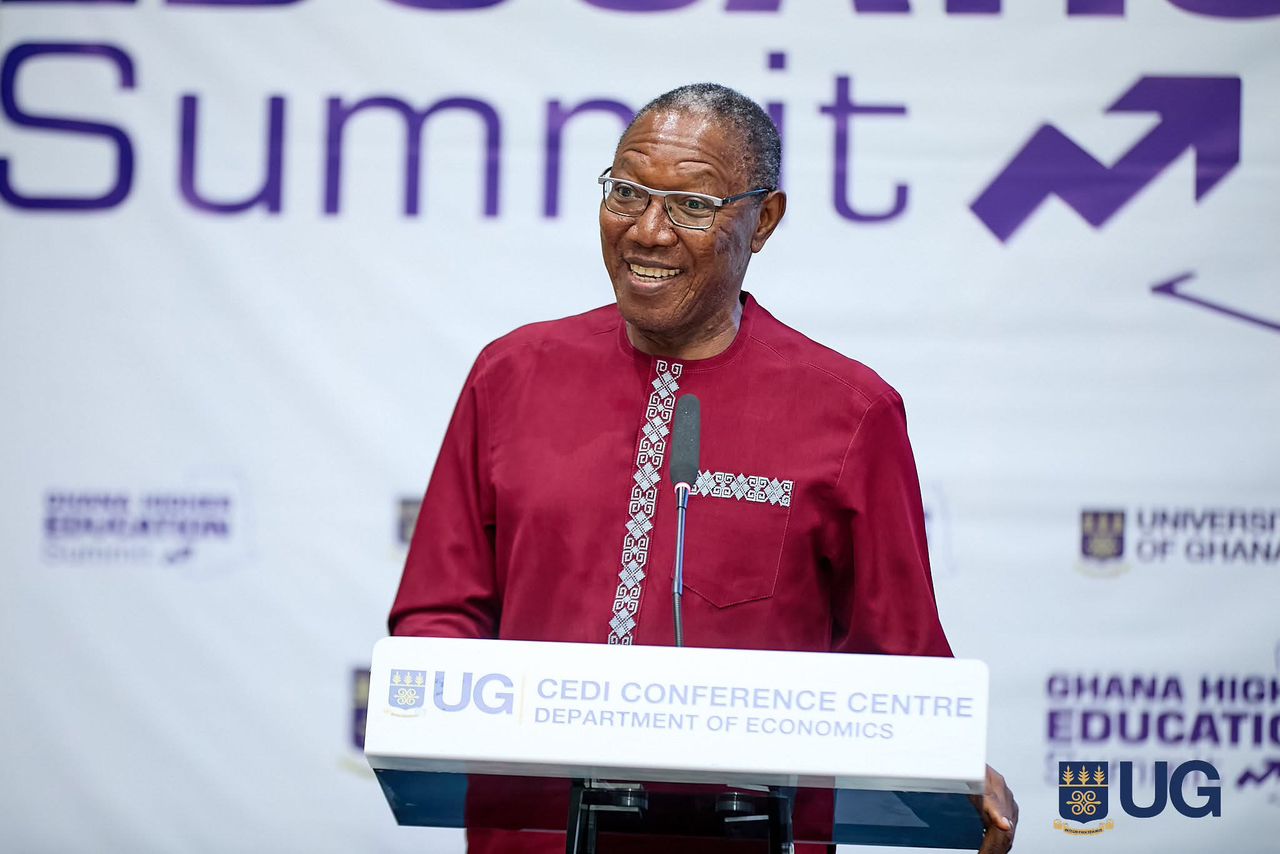
The University of Ghana, through its Institutional Advancement Directorate (InAD), convened higher education leaders, policymakers, industry representatives, development partners, researchers, alumni, and students at the inaugural Ghana Higher Education Summit (GHES) 2026 to explore sustainable financing solutions for the sector. Held on 26 August 2026 at the Cedi Conference Centre, the summit was themed “Universities at Crossroads: Charting Sustainable Funding Pathways for Inclusive Higher Education.”
The summit was conceived by InAD as a national platform for dialogue, collaboration, and collective problem-solving around the challenges confronting higher education institutions and the pathways required to build resilient and sustainable universities. According to the Director of InAD, Prof. Gordon Abekah-Nkrumah, the idea emerged from strategic reflections on the increasingly complex challenges facing universities, including infrastructure financing, research funding, digital transformation, faculty retention, and graduate employability.
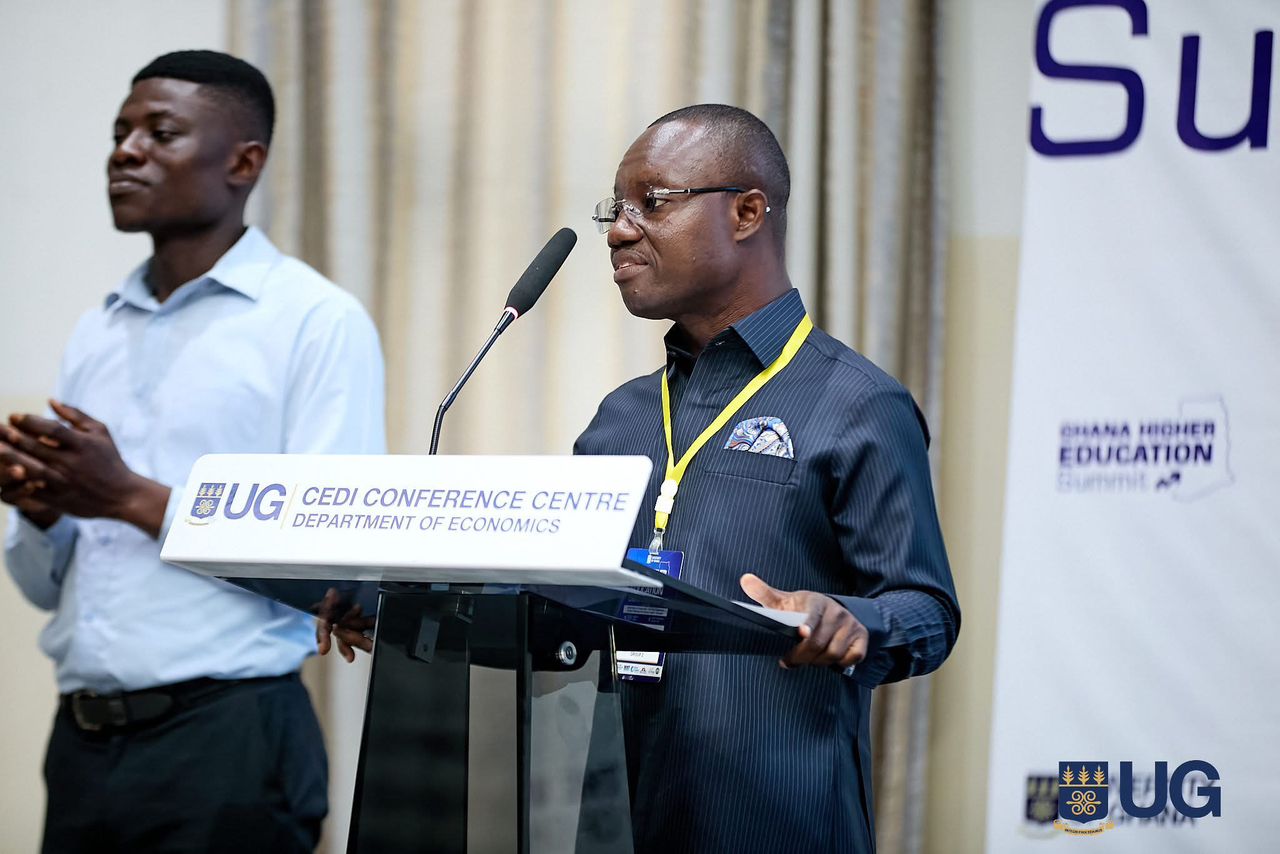
InAD Director Calls for a New National Conversation
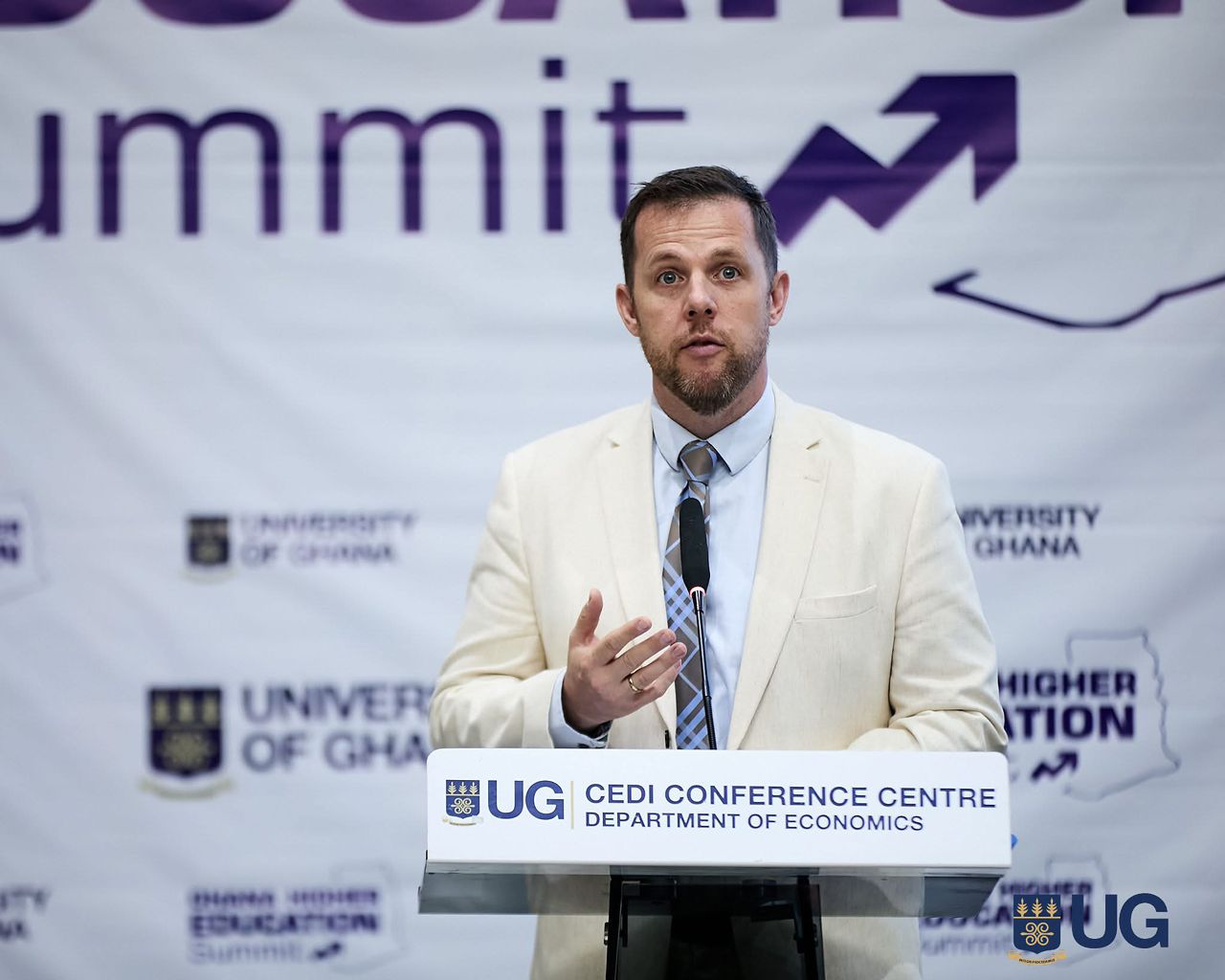
Delivering his opening remarks, Prof. Gordon Abekah-Nkrumah noted that the summit was born out of a fundamental question: how universities can build strong, resilient, and sustainable institutions capable of addressing national and regional development challenges? What initially appeared to be a University of Ghana concern soon revealed itself as a broader challenge confronting higher education institutions across the country.
He explained that the summit was designed not merely to diagnose challenges, but to provide a platform where stakeholders could interrogate existing assumptions, learn from one another, forge partnerships, and develop practical solutions. He emphasized that the ambition of the Ghana Higher Education Summit extends beyond a single event, with the vision of establishing an annual national forum for dialogue and action on the future of higher education in Ghana.
Prof. Abekah-Nkrumah further stressed that universities are under increasing pressure to expand access, maintain quality, finance modern teaching and research infrastructure, respond to technological change, and prepare graduates for a rapidly evolving world of work. These realities, he noted, underscore the urgency of rethinking how higher education is financed and sustained.
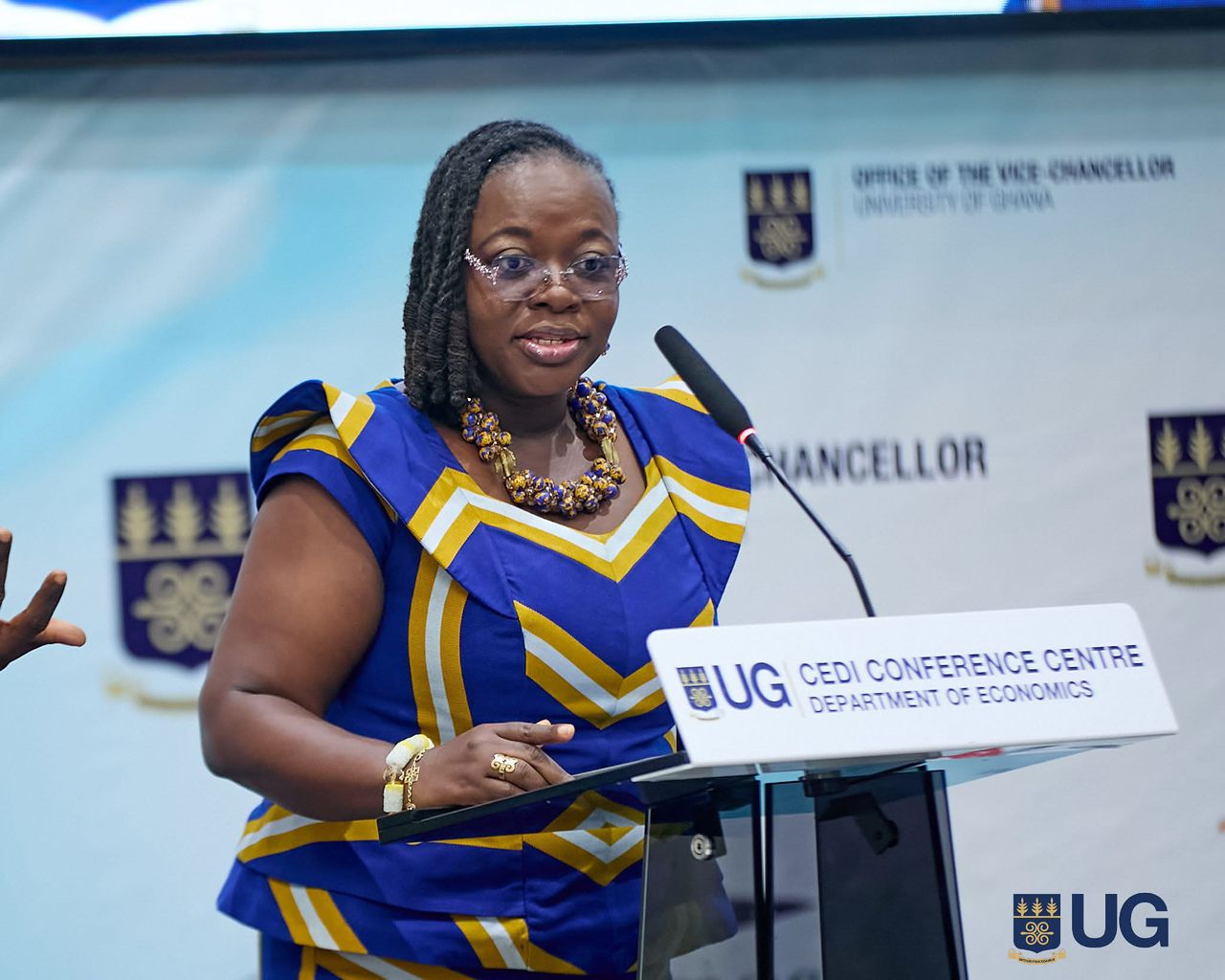
Vice-Chancellor Highlights Growing Funding Pressures
Officially opening the summit, the Vice-Chancellor of the University of Ghana, Prof. Nana Aba Appiah Amfo, described the gathering as a timely and important intervention in addressing one of the most pressing questions facing universities globally: how to sustainably finance higher education while maintaining accessibility, inclusivity, excellence, and relevance.
She observed that universities are increasingly expected to develop future leaders, drive innovation, conduct impactful research, support economic transformation, and provide solutions to complex societal challenges, even as the resources required to fulfil these responsibilities continue to diminish. According to Prof. Amfo, the widening gap between growing expectations and constrained resources has become a defining challenge for higher education institutions worldwide.
The Vice-Chancellor emphasized that sustainable financing cannot be the responsibility of governments alone. She called for stronger collaboration among universities, industry, alumni, philanthropists, development partners, students, and society at large. She identified strategic partnerships, innovative resource mobilization, entrepreneurial thinking, robust support for research and innovation, and active alumni engagement as critical pillars for the future sustainability of universities.
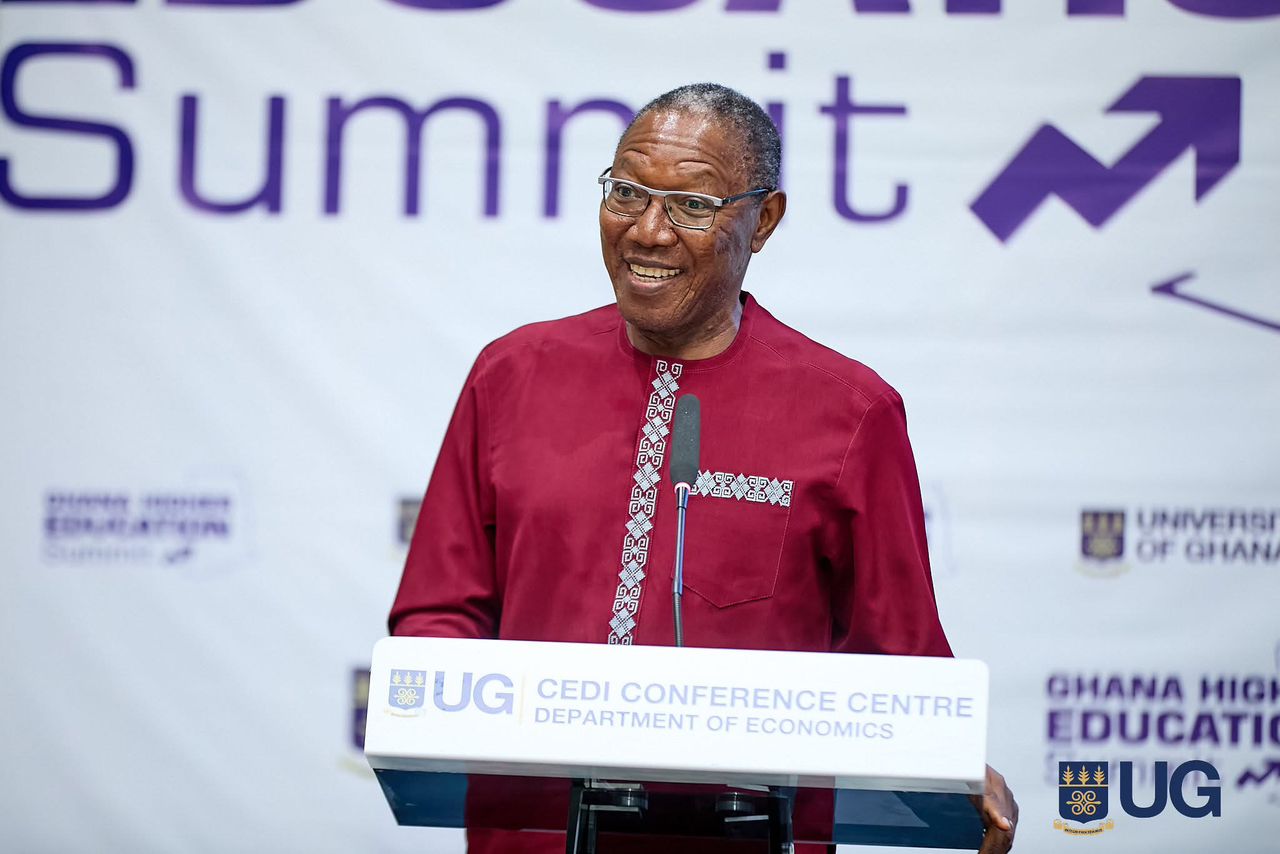
Government Urges Diversified Funding Approaches
Representing the Vice-President of the Republic of Ghana, Hon. Dr. Clement Abas Apaak, Deputy Minister for Education and Member of Parliament for Builsa South, underscored the strategic importance of higher education to national development and reaffirmed the government's commitment to supporting the sector.
The Deputy Minister acknowledged the increasing financial pressures confronting universities and called for greater innovation in resource mobilization. He urged institutions to explore diversified funding models that reduce dependence on traditional funding sources while strengthening their long-term sustainability and competitiveness. His remarks reinforced the summit's central message that higher education remains a shared national asset whose success depends on collaboration among government, academia, industry, development partners, alumni, and the wider society.
Emeritus Prof. Aryeetey Advocates a New Financing Paradigm
Delivering the keynote address, Emeritus Prof. Ernest Aryeetey challenged participants to rethink how higher education is financed in Ghana and across Africa. He argued that universities should be viewed as strategic investments in national development because of their critical role in producing skilled professionals, generating knowledge, driving innovation, and contributing solutions to economic and social challenges.
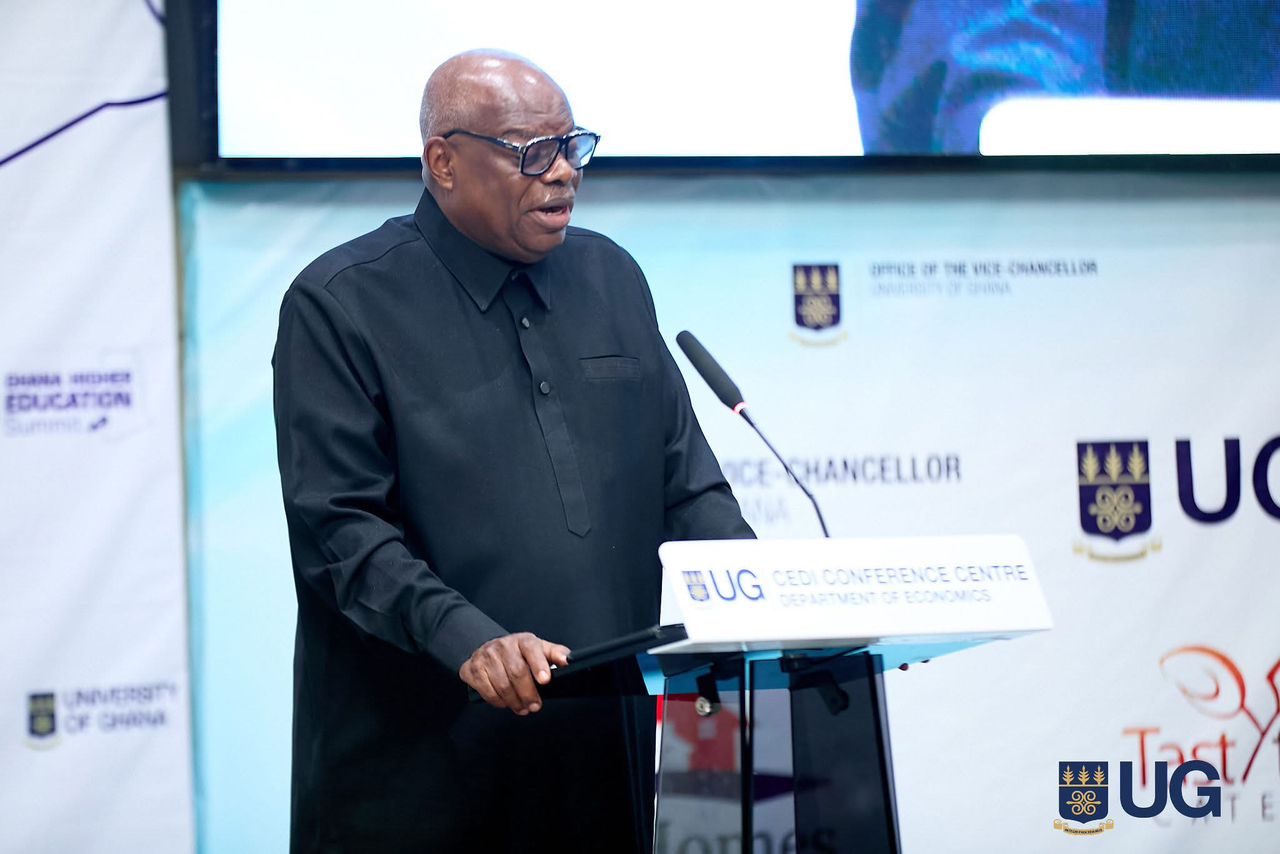
While affirming the indispensable role of government support, Prof. Aryeetey cautioned that increasing enrolment, rising operational costs, and expanding expectations of universities have exposed the limitations of financing models that rely predominantly on public resources. He therefore called for a new financing paradigm built on diversified revenue streams, stronger partnerships, institutional innovation, accountability, and financial resilience.
His address highlighted opportunities in industry partnerships, research funding, commercialization, philanthropy, executive and professional education, alumni engagement, digital transformation, and regional collaboration among African universities. He also emphasized the need for institutional autonomy and flexibility to enable universities to pursue innovative financing approaches while maintaining transparency and accountability.
From Dialogue to Action
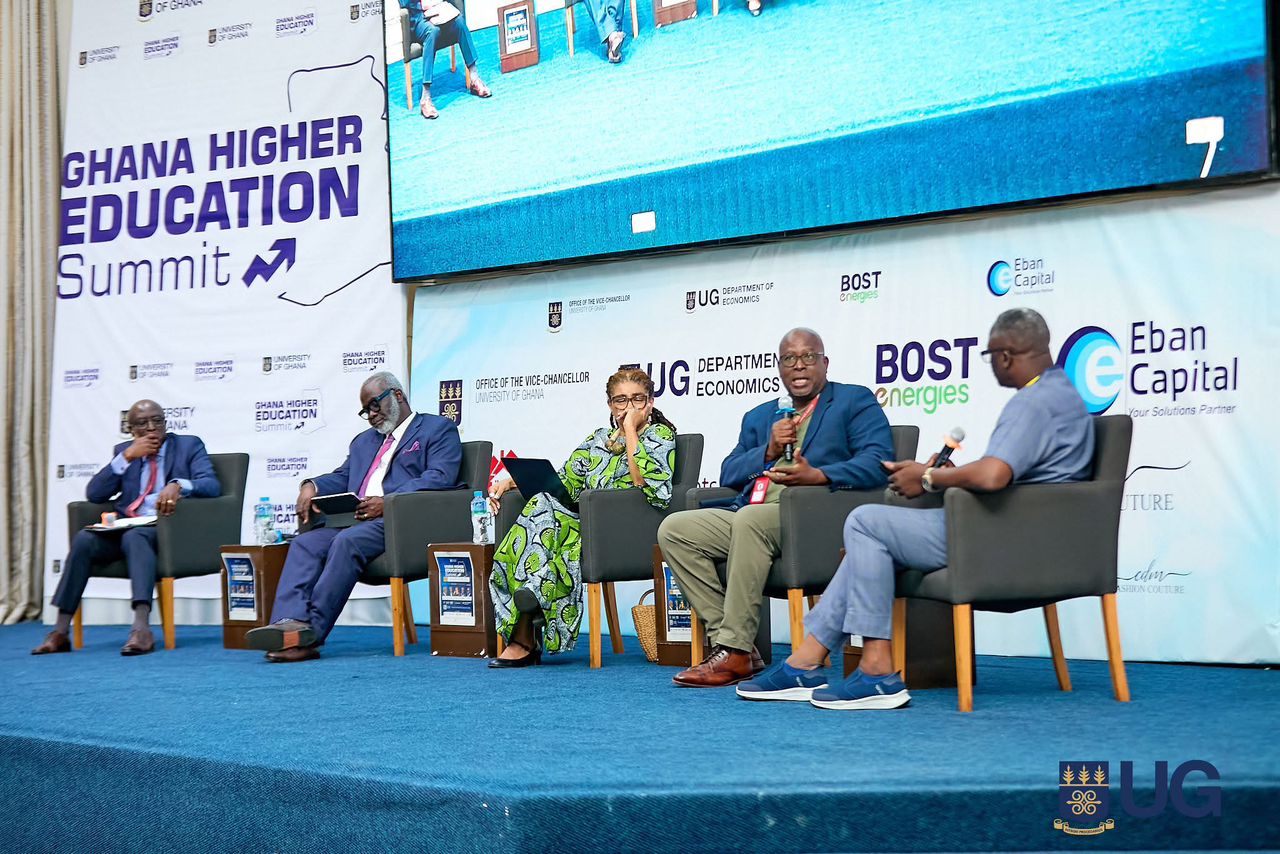
A major highlight of the summit was a high-level panel discussion moderated by Samson Lardy Anyenini, Esq., and featuring Professor Fred McBagonluri, President of Academic City University; Emerita Professor Akosua Adomako Ampofo, Emerita Professor of African and Gender Studies; Professor John Gyapong, Secretary-General of the African Research Universities Alliance (ARUA); and Professor Kwame Akyeampong, Professor of International Education and Development. The panel brought together distinguished voices from higher education leadership, research, policy, and international development to examine how financing ideas can be translated into practical and sustainable institutional strategies.
The discussion explored issues including research funding systems, commercialization of university research, advancement and alumni engagement, governance and accountability, industry-university partnerships, regulatory reform, and the effective utilization of university assets. Panelists emphasised that universities possess significant untapped value in their knowledge, expertise, intellectual property, networks, and infrastructure, and that unlocking this value will be critical to long-term sustainability.
Looking Ahead
Participants shared a collective commitment to advancing the recommendations emerging from the discussions. The summit reinforced the need for diversified financing, stronger cross-sector collaboration, institutional innovation, and practical approaches that strengthen both sustainability and equitable access to higher education.
The summit also affirmed the importance of moving beyond diagnosis towards implementation. Stakeholders agreed that future progress will depend on translating ideas into institutional reforms, policy action, strategic partnerships, and measurable outcomes that strengthen teaching, research, innovation, and student success across the higher education sector.
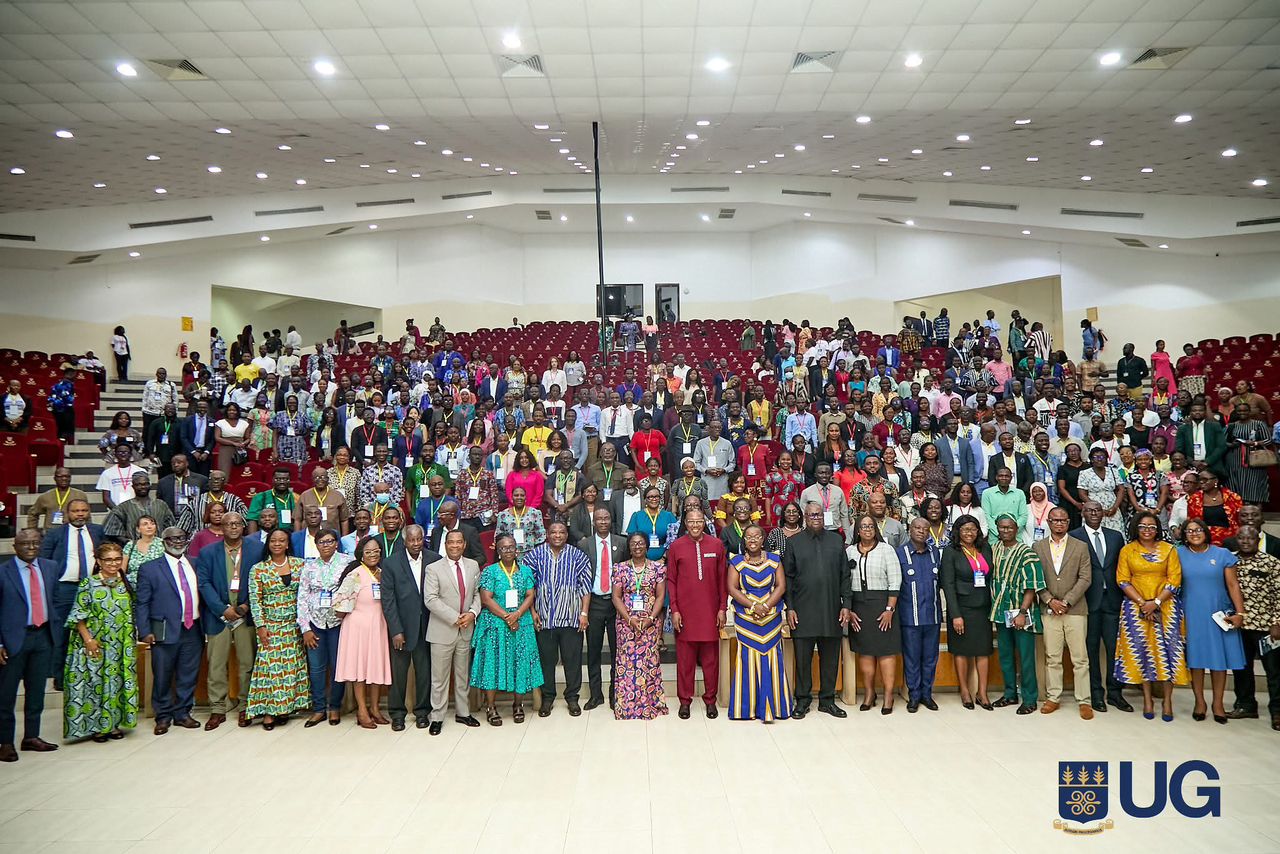
The successful inaugural Ghana Higher Education Summit has established a new national platform for dialogue, collaboration, and action on the future of university financing in Ghana. More importantly, it has reinforced a growing consensus that the sustainability of higher education will depend on diversified funding, strategic partnerships, institutional innovation, and a shared commitment from government, academia, industry, alumni, and development partners.